
Hair Loss Treatment for Women
Hair Loss

Hair loss is a common concern that affects numerous women at various stages of their lives. Understanding that this can be a sensitive issue, it's important to know that there are supportive treatments available. Topical treatments, applied directly to the scalp, can be effective in reducing hair loss and encouraging regrowth. Additionally, nutritional supplements may also play a role in enhancing hair health and promoting growth. These approaches aim to offer not only physical benefits but also emotional reassurance by addressing hair loss concerns comprehensively.
Treatments



Frequently Asked Questions
Hair loss in women can be caused by a variety of factors, often different from those affecting men. Some common causes include:
Androgenetic Alopecia: Also known as female pattern hair loss, it's a hereditary condition that can cause thinning hair.
Hormonal Changes: Pregnancy, childbirth, menopause, and thyroid problems can all lead to hair loss.
Medical Conditions: Autoimmune diseases like alopecia areata, lupus, and others can cause hair loss.
Medications: Certain drugs, including chemotherapy for cancer, blood thinners, and medications for high blood pressure, can lead to hair loss.
Stress: Physical or emotional stress can cause a type of hair loss called telogen effluvium.
Hairstyles and Treatments: Tight hairstyles, chemical treatments, and excessive heat styling can cause a type of hair loss known as traction alopecia.
Nutritional Deficiencies: Lack of proper nutrition, including iron, protein, and vitamins, can contribute to hair loss.
Scalp Conditions: Fungal infections, psoriasis, and dermatitis can lead to hair loss.
Trichotillomania: It's a psychological condition where a person has an urge to pull out their hair.
Identifying the underlying cause of hair loss is crucial for effective treatment. Women experiencing hair loss should consult with a healthcare provider or dermatologist to determine the cause and appropriate treatment.
Treatment options for female hair loss depend on the underlying cause. Here are some common treatments available:
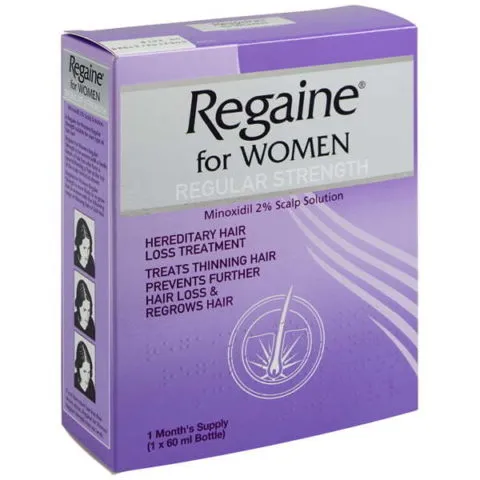
Minoxidil (Rogaine): An over-the-counter topical medication that can be used to treat female pattern baldness and other types of hair loss.
Hormone Therapy: If hair loss is due to hormonal imbalances, treatments such as hormone replacement therapy (HRT) or oral contraceptives might be recommended.
Hair Transplant Surgery: A surgical option where hair from one part of the scalp is transplanted to the thinning or balding areas.
Platelet-Rich Plasma (PRP) Therapy: This involves injections of a concentration of a patient's own platelets to accelerate healing and stimulate hair growth.
Low-Level Laser Therapy: Devices such as laser combs and helmets that are designed to stimulate hair follicles and promote regrowth.
Topical Treatments: Prescription treatments like topical steroids or retinoids may be used for certain conditions causing hair loss, such as alopecia areata or scalp inflammation.
Nutritional Supplements: Supplements to address deficiencies, like iron, vitamin D, zinc, or biotin, can be helpful in cases where hair loss is due to a lack of these nutrients.
Scalp Micropigmentation: A non-surgical procedure that uses microneedles to deposit pigment into the scalp, creating the appearance of hair follicles.
Lifestyle Changes: Stress reduction techniques, a balanced diet rich in nutrients, and gentle hair care practices can all contribute to the health of your hair.
Spironolactone (Aldactone): A medication that can help with hair loss caused by androgenetic alopecia by reducing androgen production.
It's important to consult with a healthcare provider or a dermatologist who can diagnose the specific cause of hair loss and tailor a treatment plan to an individual's needs. In some cases, a multi-therapy approach combining medical treatments, lifestyle changes, and supportive therapies may be most effective.
For women, it's considered normal to lose between 50 to 100 hairs a day. This is part of the natural hair growth cycle, which includes growth, resting, and shedding phases. However, due to longer hair length, this loss may be more noticeable in women than in men.
If hair loss seems sudden, excessive, or is accompanied by bald patches or thinning, it's advisable to consult a healthcare provider. They can assess whether the hair loss is within a normal range or if it's indicative of an underlying health issue that may require treatment.