
Hair Loss Treatment for Men
Hair Loss Treatment For Men
Effective and sustainable hair regrowth treatments
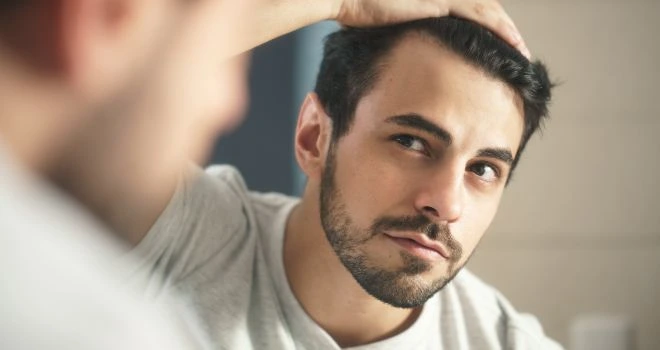
Hair loss can be deeply personal and emotionally challenging. It's not just about physical appearance; it's about how you feel inside.
We're here to help you not just regrow your hair, but also regain your confidence.
Start your journey to hair restoration today. Let's face this together.
Treatments

Frequently Asked Questions
Recognising hair loss early is key to effective treatment. Common signs include a receding hairline, thinning patches, or more hair than usual on your pillow or in the shower.
Hair loss in men can be caused by a variety of factors, including:
Genetics: Male pattern baldness, or androgenetic alopecia, is the most common cause of hair loss, which is inherited.
Hormones: Changes in hormones, particularly dihydrotestosterone (DHT), can cause hair follicles to shrink, leading to hair loss.
Age: As men get older, it is normal for some hair loss to occur.
Medical Conditions: Certain conditions like thyroid problems, lupus, diabetes, and anemia can cause hair loss.
Medications: Drugs used for cancer, arthritis, depression, heart problems, and high blood pressure may cause hair loss.
Nutritional Deficiencies: Lack of adequate protein, iron, and other nutrients can lead to thinning of hair.
Stress: Physical or emotional stress can cause temporary hair loss.
Hairstyles and Treatments: Pulling hair tight in hairstyles or using harsh chemicals can cause traction alopecia.
Scalp Infections: Infections such as ringworm can invade the hair and scalp, leading to scaly patches and hair loss.
Autoimmune Diseases: Alopecia areata is an autoimmune condition where the immune system attacks hair follicles.
Understanding the cause is key to determining the appropriate treatment. For those concerned about hair loss, a healthcare provider or a dermatologist specializing in hair loss can offer guidance and treatment options.
Treatments for hair loss vary depending on the cause and can range from medical interventions to surgical procedures and lifestyle modifications. Here are some common treatments:
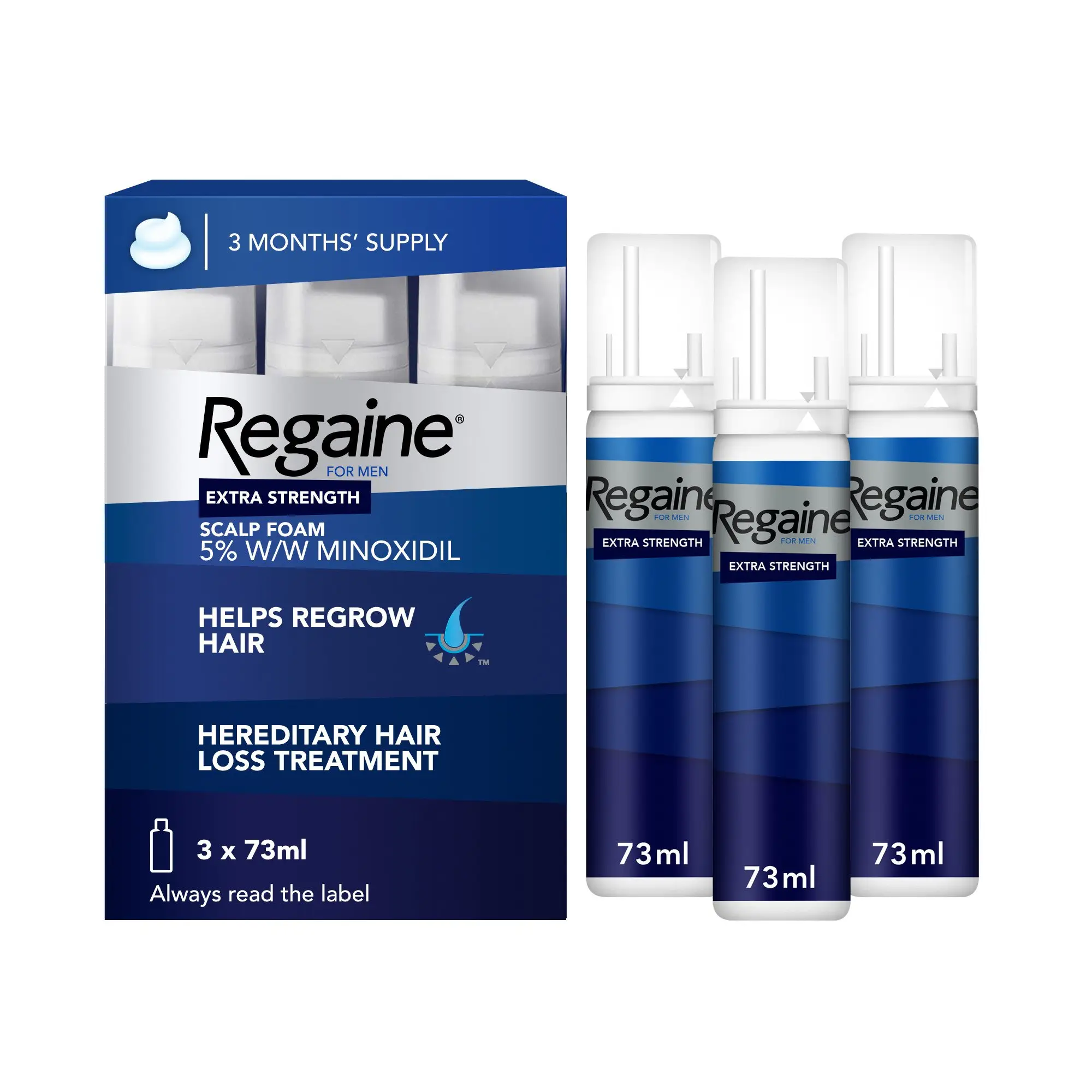
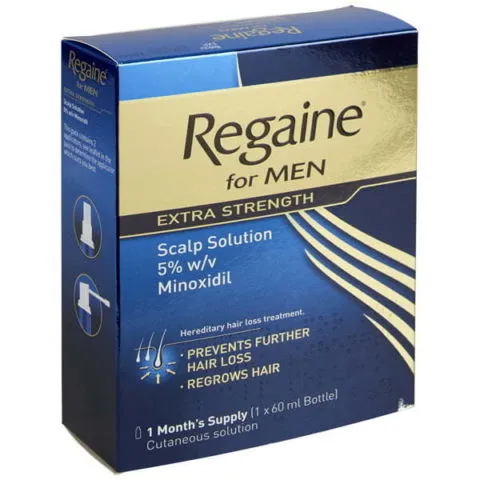
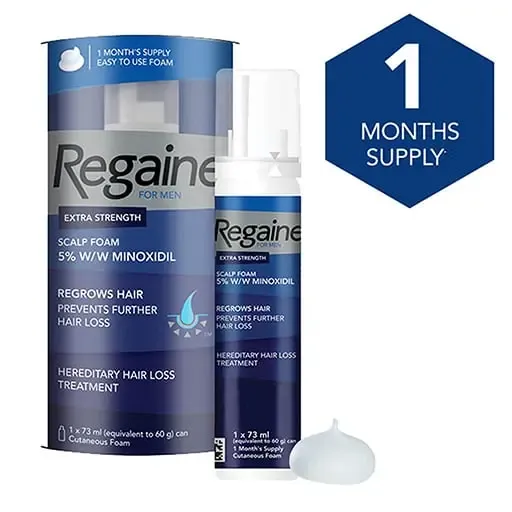
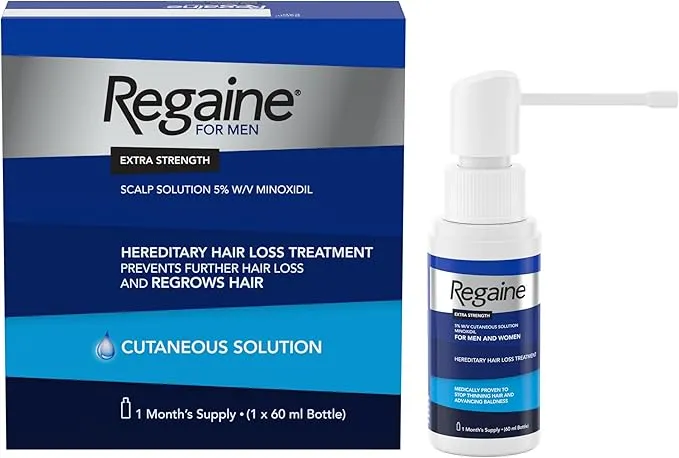
Minoxidil (Rogaine): An over-the-counter topical treatment applied to the scalp, which can slow hair loss and stimulate hair growth in some individuals.
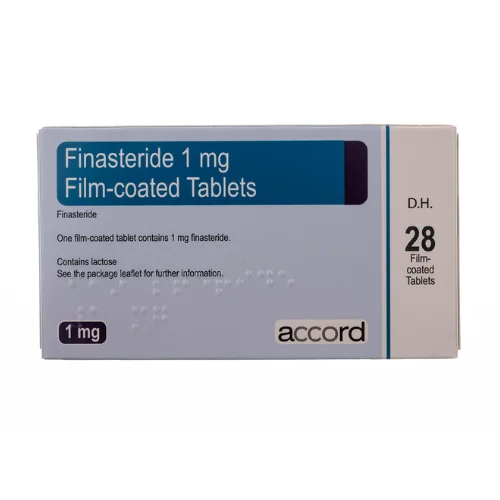
Finasteride (Propecia): A prescription oral medication for male pattern baldness that can prevent further hair loss and may promote hair regrowth.
Hair Transplant Surgery: A surgical procedure where hair follicles are transplanted from one part of the scalp to another.
Low-Level Laser Therapy (LLLT): A form of light and heat treatment that can stimulate hair growth in certain cases.
Platelet-Rich Plasma (PRP) Therapy: Involves injecting a concentration of a patient’s own platelets to accelerate the healing of injured tendons, ligaments, muscles, and joints; this can also be used to promote hair growth.
Scalp Micropigmentation (SMP): A tattoo technique that creates the look of short hair stubble on the scalp.
Corticosteroids: Injections for conditions like alopecia areata, where hair loss is due to an autoimmune response.
Nutritional Supplements: Such as biotin, zinc, iron, and vitamins, particularly if the hair loss is due to a deficiency.
Hairpieces and Wigs: Non-medical options to cover hair loss.
Lifestyle Changes: Including reducing stress, improving nutrition, and avoiding tight hairstyles or harsh chemical treatments that can lead to hair loss.
It's important to consult with a healthcare provider or a dermatologist to understand the cause of hair loss and to determine the most appropriate treatment plan. They can provide tailored advice based on the individual's health, the type of hair loss, and personal preferences
Preventing hair loss involves a combination of medical interventions, proper hair care, and lifestyle adjustments. Here are some strategies to consider:
Healthy Diet: Ensure you're getting a balanced diet rich in essential nutrients, such as proteins, vitamins, and minerals like iron and zinc, which are crucial for hair growth.
Scalp Care: Use gentle shampoos and conditioners that suit your hair type. Avoid harsh treatments and chemical dyes that can damage hair and scalp.
Avoid Tight Hairstyles: Hairstyles that pull on the hair, like tight ponytails or braids, can lead to hair loss over time.
Manage Stress: Chronic stress can contribute to hair loss, so finding effective stress management techniques such as exercise, meditation, or therapy can be beneficial.
Limit Heat Styling: Frequent use of hair dryers, straighteners, and curling irons can damage hair. Minimize heat styling and always use a heat protectant.
Quit Smoking: Smoking has been linked to baldness. Quitting can help with overall hair health.
Regular Exercise: Increases blood flow to all parts of the body, including the scalp, which can promote hair growth.
Stay Hydrated: Drinking adequate water is essential for maintaining healthy hair.
Gentle Styling: Avoid brushing your hair when it's wet and be gentle when combing to prevent unnecessary breakage.
Medical Check-Up: Regular check-ups can help identify and treat underlying health conditions that might be causing hair loss.
Medications: If you have a genetic predisposition to hair loss, medications such as minoxidil or finasteride may help slow down or prevent further hair loss.
Avoid Environmental Damage: Protect your hair from the sun and pollutants that can cause damage.
It's important to note that some types of hair loss are not preventable. If you're experiencing significant hair loss, consult with a healthcare provider or a dermatologist to explore the possible causes and treatments.
Hair loss is considered serious and warrants a consultation with a healthcare provider in the following situations:
Rapid or Sudden Loss: If you experience a sudden loss of hair, particularly in clumps or large amounts when combing or washing your hair, it could be a sign of an underlying medical issue.
Patchy or Bald Spots: Circular or patchy bald spots on the scalp, eyebrows, or beard can indicate conditions such as alopecia areata.
Scalp Changes: If there are changes in the scalp, such as scaling, redness, or scarring, it may suggest an infection or a skin disorder.
Associated Symptoms: If hair loss is accompanied by other health symptoms like fatigue, weight loss, or changes in bowel habits, it could be symptomatic of a broader health problem.
Total Body Hair Loss: Losing hair across the entire body is not typical and can be a reaction to medical treatments like chemotherapy or an indication of an underlying health issue.
Pain or Itching: Hair loss that occurs with discomfort of the scalp may indicate an inflammatory process.
Thinning Hair: If the hair is visibly thinning, or the part in the hair is widening, especially for women, it could be a sign of serious hair loss.
No Growth After Loss: If the hair does not regrow over time after shedding, it could be a sign of permanent hair loss.
If you are concerned about the severity or pattern of your hair loss, it's best to seek medical advice to determine the cause and appropriate treatment. Early intervention can help in managing the condition more effectively.
Whether hair loss can be reversed depends on the underlying cause:
Genetic Hair Loss: Male and female pattern baldness, which is genetic, can be managed with treatments like minoxidil and finasteride, but these are not cures and require ongoing treatment.
Hormonal Imbalances: If hair loss is due to hormonal changes, such as thyroid issues or post-pregnancy hormonal shifts, it may be reversible with medical treatment and time.
Nutritional Deficiencies: Hair loss caused by deficiencies can often be reversed by correcting the deficiency through diet or supplements.
Stress-Induced Hair Loss: Telogen effluvium, hair loss due to stress, is typically temporary and reversible once the stress is managed.
Hair Loss from Medications: Hair loss caused by medications often reverses once the medication is stopped or adjusted.
Alopecia Areata: This autoimmune disorder can sometimes be reversed with treatments like corticosteroids, though the condition can be unpredictable.
Hair Damage: Hair loss due to mechanical or chemical damage can be reversed by avoiding the damaging practices.
If you're experiencing hair loss, it's important to consult with a healthcare provider or a dermatologist to identify the cause and discuss treatment options. Early diagnosis and treatment often yield better results.